Our experienced IVF specialists, nurses, and support staff are here to guide you with compassion, expertise, and personalized care every step of the way.
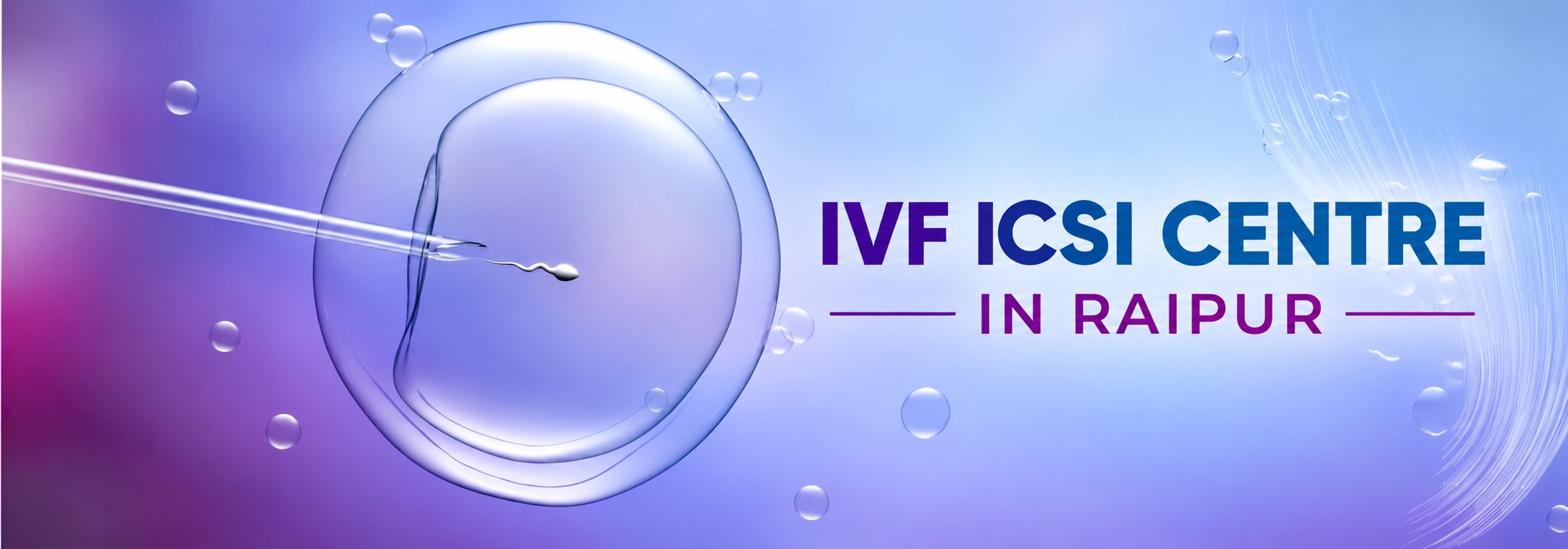
In vitro fertilisation (IVF) and intracytoplasmic sperm injection (ICSI) for couples who need assisted reproduction. Advanced options such as blastocyst transfer and embryo genetic testing (PGT) are discussed when medically appropriate.

Matrika provides care for both normal and high-risk pregnancies.
A simpler fertility treatment that may be suitable for selected couples, often combined with ovulation monitoring.
Evaluation and treatment for conditions that can affect fertility, including PCOS, endometriosis, blocked fallopian tubes, fibroids and ovarian cysts.
Assessment and treatment for low sperm count and azoospermia (zero sperm count), with semen analysis and further tests as required.
Unsuccessful IVF cycles or repeated pregnancy loss can be very distressing.
Fertility preservation for people who wish to plan a pregnancy later or need to protect fertility before medical treatment.
Treatment for heavy bleeding, white discharge, cysts and other gynaecological problems.
Our experienced IVF specialists, nurses, and support staff are here to guide you with compassion, expertise, and personalized care every step of the way.
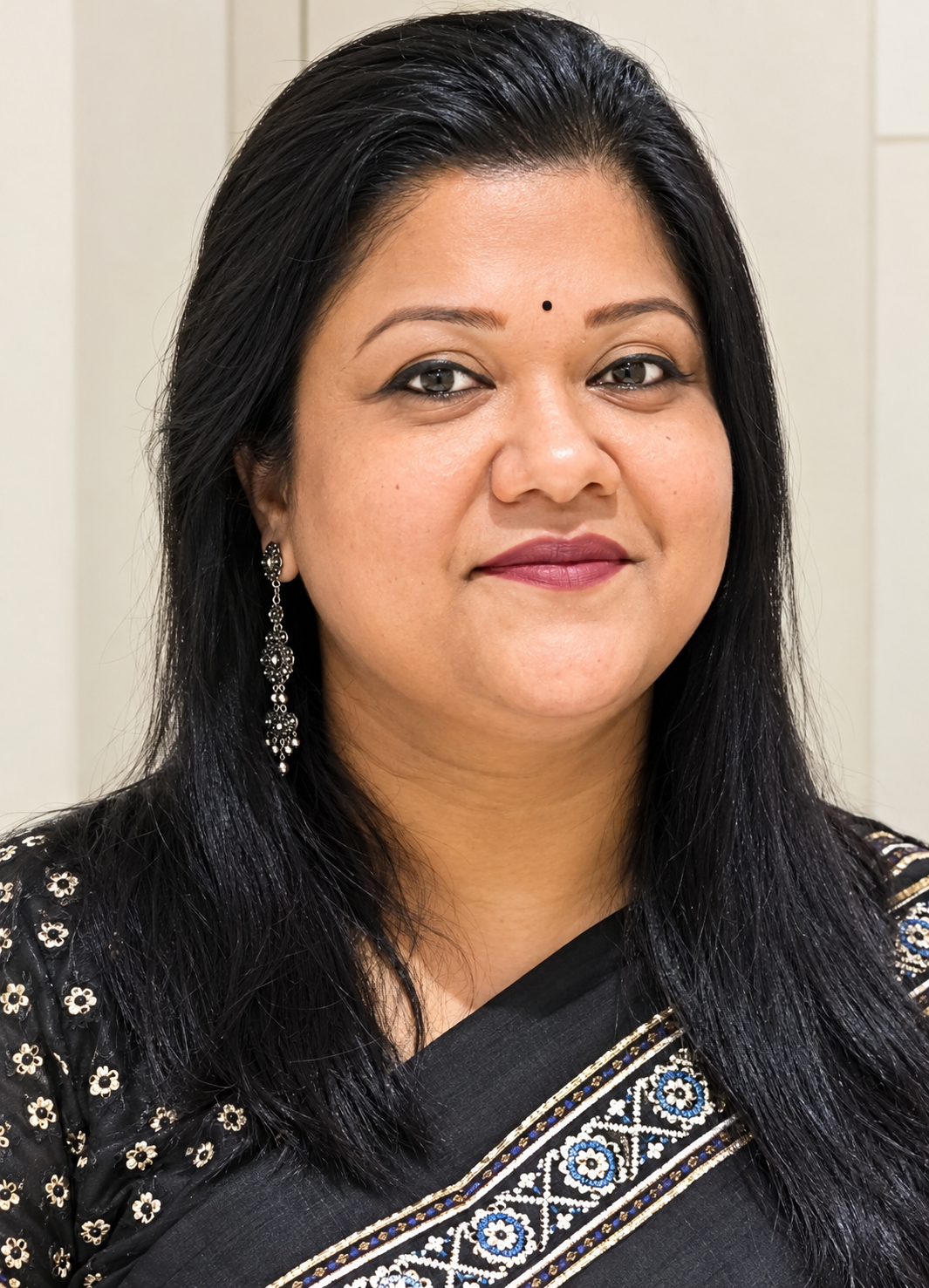
Dr. Paulami Dey specialises in IVF, high-risk pregnancy, laparoscopy and gynaecology. She completed her fellowship in reproductive medicine at Gunasheela IVF & Genomic Centre, Bengaluru, and has worked with fertility centres in Raipur, Nagpur and Bengaluru. Her areas of interest include recurrent implantation failure and pre-implantation genetic testing.
Find clear, trusted answers to the most common questions about IVF—designed to guide and support you every step of the way.


On average, one full IVF cycle takes about 4 to 6 weeks. This timeline covers the period from the start of fertility medications to the final pregnancy test.
However, if you include the initial consultations and diagnostic testing required to build your treatment plan, the total journey often spans 8 to 10 weeks.
The success of IVF is not a single number; it is highly dependent on individual factors, primarily the age of the woman and the quality of the embryos.
Yes, IVF is frequently used with donor eggs or donor sperm, and in many cases, this significantly increases the success rate of the treatment
The short answer is no, IVF is not typically described as painful, though it does involve some physical discomfort and a significant "emotional marathon."
There is no hard medical limit, but most successful pregnancies occur within the first three cycles. If three cycles are unsuccessful, your specialist will usually recommend a "Deep Dive" diagnostic (checking for uterine issues or sperm DNA fragmentation) or suggest alternatives like donor gametes.